FISA Reauthorization Back on Track? Trump Concedes on Interim Spy Chief Pick
The critical effort to reauthorize the nation’s controversial intelligence gathering powers under the Foreign Intelligence Surveillance Act (FISA) has received a new lease on life. Momentum for the expiring legislation, specifically its contentious Section 702, had stalled but is now regaining traction following a significant concession by President Donald Trump.
FISA, a vital tool for national security set to expire this Friday, had been on a path toward reauthorization. However, that progress was abruptly halted when President Trump appointed Bill Pulte, director of the Federal Housing Finance Agency, to temporarily lead the Office of the Director of National Intelligence (ODNI) – overseeing 18 intelligence agencies.
Pulte’s impending takeover of ODNI on June 19 became the primary roadblock. Critics across the aisle lambasted the pick, citing his lack of experience for a role demanding oversight of the nation’s sprawling intelligence apparatus. This leadership dispute further complicated an already fraught reauthorization debate centered on FISA’s controversial Section 702, which permits the surveillance of non-U.S. persons abroad.
Senator Mark Warner (D-Va.), the top Democrat on the Senate Intelligence Committee, emphasized the disruption. \”This is not a problem between Senate Democrats and Senate Republicans, this was the administration throwing a live hand grenade into a critical reauthorization 10 days out,\” Warner stated, highlighting the administration’s role in the stalemate.
A bipartisan compromise, a three-year reauthorization complete with reforms to Section 702, had been crafted by Sen. Warner and Senate Intelligence Committee chair Tom Cotton (R-Ark.). This carefully negotiated deal was poised for passage before Trump’s unexpected decision regarding the ODNI leadership.
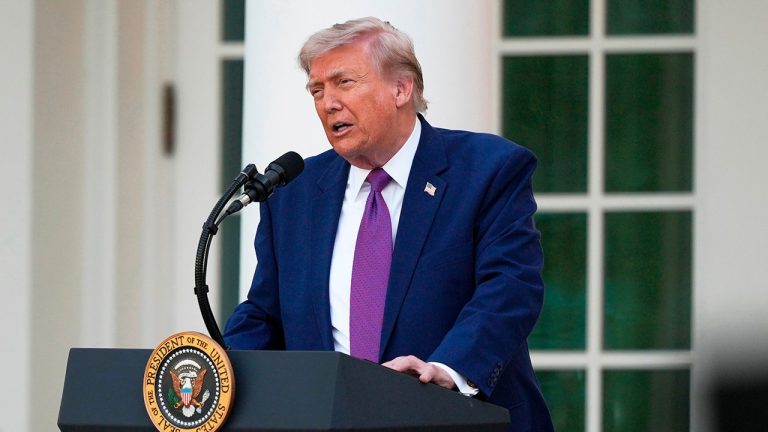
Responding to the legislative logjam, President Trump announced Wednesday he is actively seeking a permanent replacement for the ODNI chief role and requested Congress pass a short-term extension for FISA to maintain vital intelligence operations.
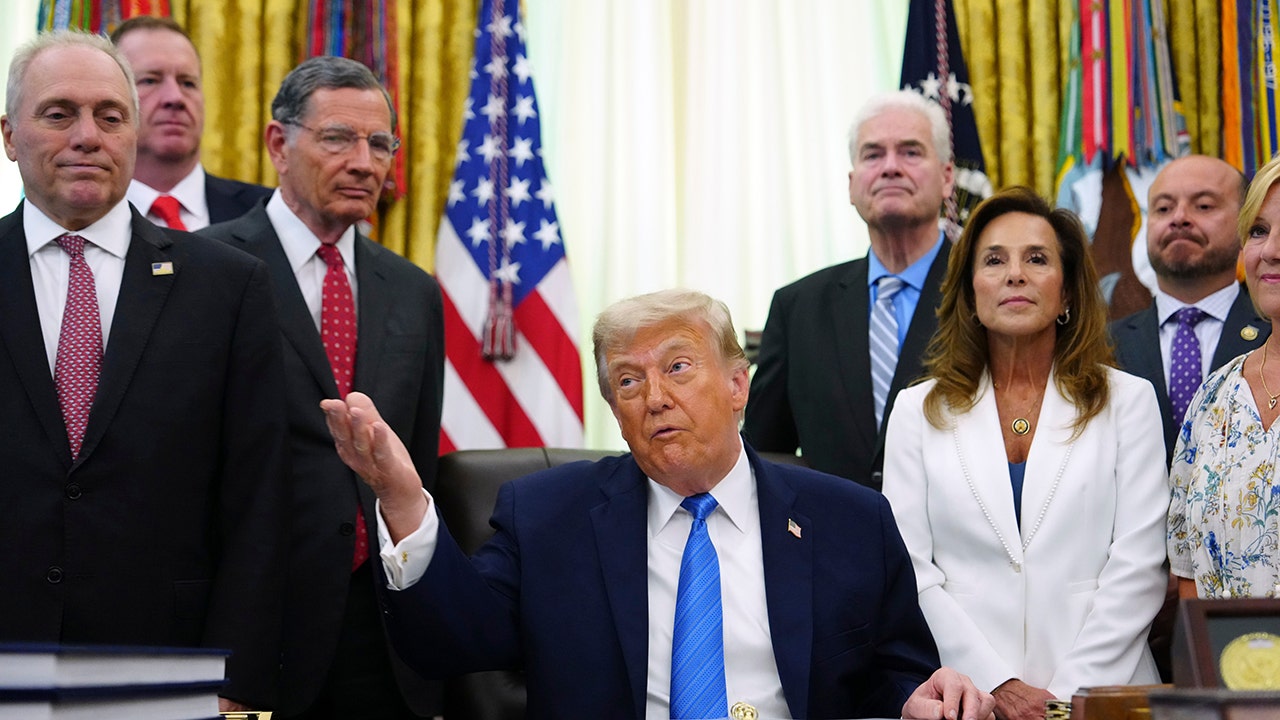
Trump clarified his stance to reporters in the Oval Office: \”Pulte is going to be there for a short while, while we pick somebody else. We’re interviewing five different people… and we’ll put somebody there.\” This statement signaled a potential path forward.
The President’s concession appears to have opened a door for some Senate Democrats. Senator Tim Kaine (D-Va.) suggested that clarity on the DNI’s permanent leadership, \”if it’s somebody that people have confidence in,\” would significantly ease the \”FISA question\” and encourage support for an extension.
However, for others like Senator Angus King (I-Maine), Trump’s continued ambiguity regarding Pulte’s specific departure timeline remains a concern. King stated, \”If Mr. Pulte is gonna be there for an indefinite period, then I can’t vote for an extension. If there’s some timeline, measurable, defined, then I would consider it,\” emphasizing the need for a clear transition plan.
Lawmakers are now considering a potential three-week extension for the program, a short-term fix that presents complexities for both conservative and liberal factions.
FISA reauthorization remains a unique ‘horseshoe issue’ on Capitol Hill, uniting privacy advocates from both political spectrums. These ‘privacy hawks’ demand substantial reforms, particularly regarding warrant requirements, to prevent Americans from inadvertently being caught in intelligence collected on foreign targets under Section 702.
This bipartisan concern for privacy means that even a compromise deal faces hurdles. Last week, six Republicans joined almost all Democrats in blocking a procedural vote to reauthorize the program, signaling deep-seated opposition to the existing framework.
Senator Rick Scott (R-Fla.) succinctly summarized a common sentiment: \”Why don’t we surveil the foreigners and not surveil Americans? It’s a new concept,\” underscoring the demand for greater protection of U.S. citizens.
Senate Majority Leader John Thune (R-S.D.) acknowledged the necessity of bipartisan cooperation. \”We need Democrat votes,\” Thune stated, arguing that the proposed reforms within the Section 702 reauthorization offer crucial safeguards \”regardless of who’s in that job, or which party is in power here,\” downplaying the impact of the interim DNI pick on the broader security benefits.
Despite the looming Friday deadline, some lawmakers, including Senate Minority Whip Dick Durbin (D-Ill.), argue that the urgency for immediate reauthorization is overstated. Durbin asserted on the Senate floor that \”Existing law allows Section 702 collection to continue under an order from the FISA court for another year, even without congressional reauthorization.\” He urged Congress to \”take the time to get this right,\” suggesting a less rushed approach to reforming these critical surveillance powers.
”
}
“`