News Update

“`json
{
“new_title”: “FISA Section 702: Spy Program Credited with Stopping Taylor Swift Terror Plot Nears Expiration Amid Congressional Battle”,
“facebook_post”: “🚨 NATIONAL SECURITY ALERT! 🚨 The crucial U.S. spy program, #FISA Section 702, credited with stopping a *Taylor Swift terror plot* and other threats, is on the brink of expiring this Saturday! 🤯 A bitter congressional standoff over a controversial DNI pick and privacy concerns has stalled its renewal. Republicans warn of grave risks, especially with the #WorldCup underway. Democrats seek more privacy safeguards. What happens if this vital surveillance tool goes dark? Read why this matters for YOUR safety! 👇 #Section702 #SpyProgram #TaylorSwift #NationalSecurity #Congress #Pulte”,
“article_html”: “

A critical U.S. surveillance tool, Section 702 of the Foreign Intelligence Surveillance Act (FISA), is facing imminent expiration, sparking a tense standoff in Congress. This vital spy program, notably credited with thwarting a 2024 terror attack targeting a Taylor Swift concert in Austria, failed to secure even a temporary extension this week. Lawmakers voted 198-218, falling short of the two-thirds majority required to extend the program for just three weeks, leaving U.S. national security agencies on edge as the June 12 deadline approaches.

[adinserter block=1]

The legislative defeat stems from a deep partisan divide and a group of privacy-focused conservatives. House Democrats largely withheld support, demanding President Donald Trump reverse his controversial nomination of Bill Pulte as acting Director of National Intelligence (DNI). House Minority Leader Hakeem Jeffries, D-N.Y., spearheaded the opposition, explicitly linking his party’s support for Section 702’s extension to Trump’s DNI pick. Meanwhile, 19 Republicans, advocating for stronger privacy protections, joined Democrats in sinking the short-term renewal.

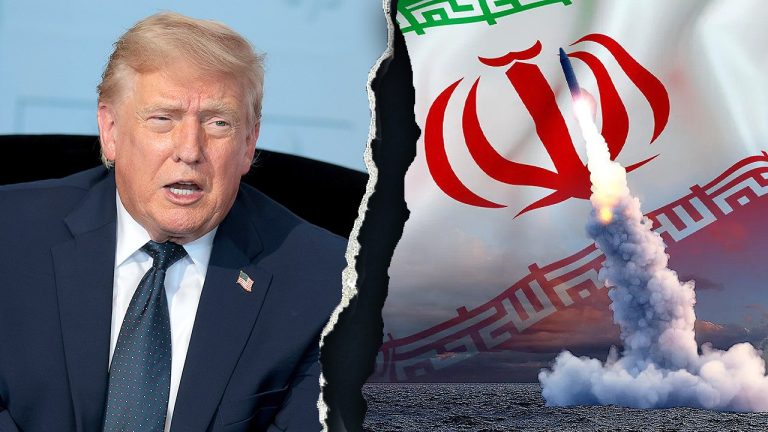
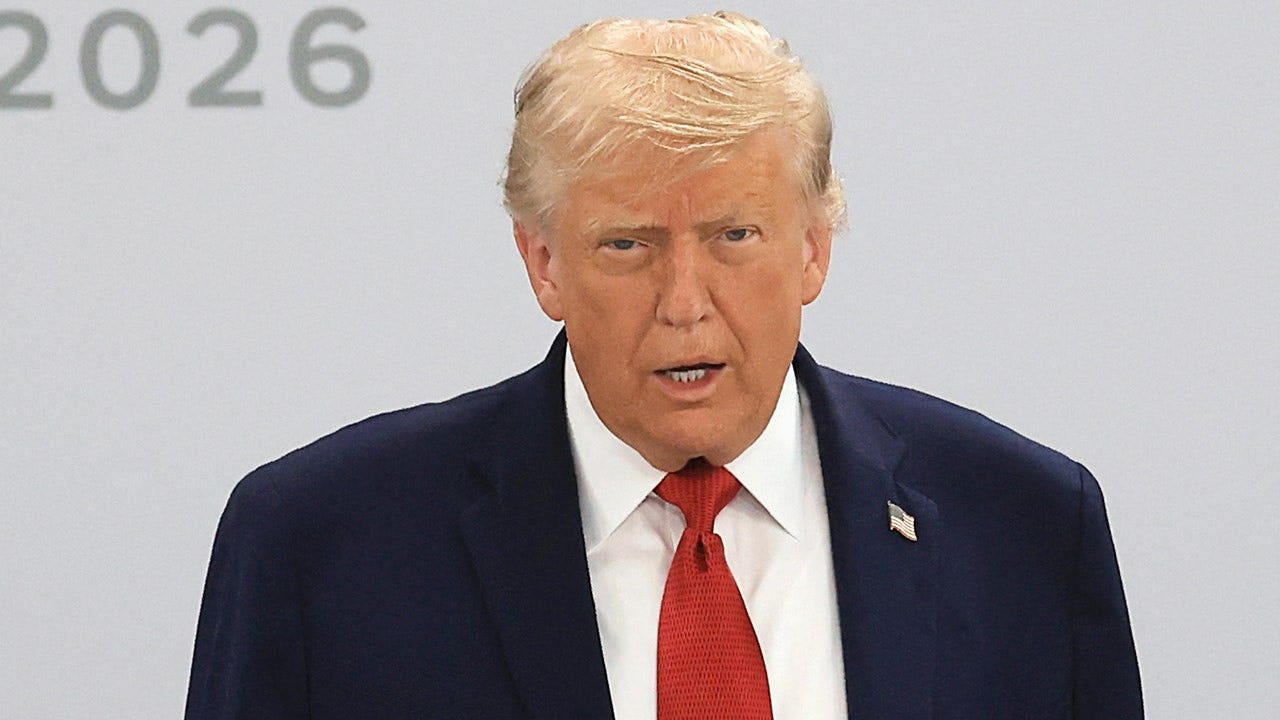
The controversy surrounding Bill Pulte, a Trump insider and senior housing official, has intensified the debate. Critics, including Democrats and some Republicans, argue Pulte lacks the necessary qualifications for the top intelligence post. House Speaker Mike Johnson, R-La., fast-tracked the extension via a suspension of the rules, a procedure requiring a higher threshold, but it was not enough to overcome the widespread Democratic opposition and conservative skepticism. Despite Trump’s recent comments about actively seeking a permanent replacement for Pulte, expected to begin his role on June 19, Democrats remained unmoved.

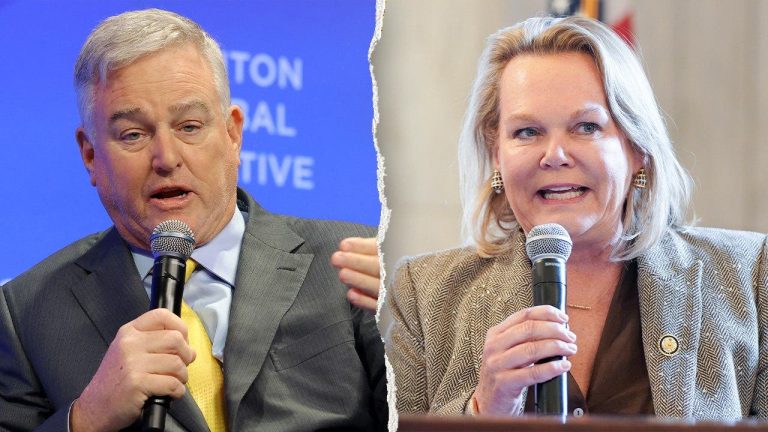
Republicans are sounding alarm bells, warning that allowing this crucial spy law to sunset poses severe national security risks. They emphasize the timing, with the World Cup underway, bringing a significant influx of foreigners to the U.S., and the ongoing war with Iran. House Intelligence Chairman Rick Crawford, R-Ark., criticized Democrats for “unserious, very dangerous behavior” by jeopardizing a “critical national security tool.” Speaker Johnson echoed these concerns, stating, “You cannot play politics with the security of the American people.”

[adinserter block=2]

Section 702 is a cornerstone of U.S. foreign intelligence gathering, enabling the government to collect communications from non-U.S. persons located outside the United States who use American communication systems. The program has been instrumental in counterterrorism efforts, including the aforementioned Taylor Swift concert plot, and has been vital in identifying and eliminating a prominent Mexican cartel leader and intercepting fentanyl precursors from China. However, its authority to inadvertently collect messages from Americans communicating with foreign targets has fueled concerns among privacy advocates across the political spectrum.

[adinserter block=3]

While some Democrats, like Senate Minority Whip Dick Durbin, D-Ill., argue that an intelligence court ruling has recertified Section 702 through March 2027, allowing for continued collection even without immediate congressional reauthorization, GOP lawmakers dispute this. They warn that a lapse in statutory authority on Saturday at 12:01 a.m. would usher in “uncharted territory,” potentially leading to legal challenges, provider noncompliance, and a degradation of intelligence data. The future of this essential surveillance program, and its implications for U.S. national security, remains uncertain as the deadline looms.


}
“`

Similar Posts