

Inside California’s Billionaire Tax Fight and the Wide-Open Governor’s Race
2. Background on California’s Tax Policies
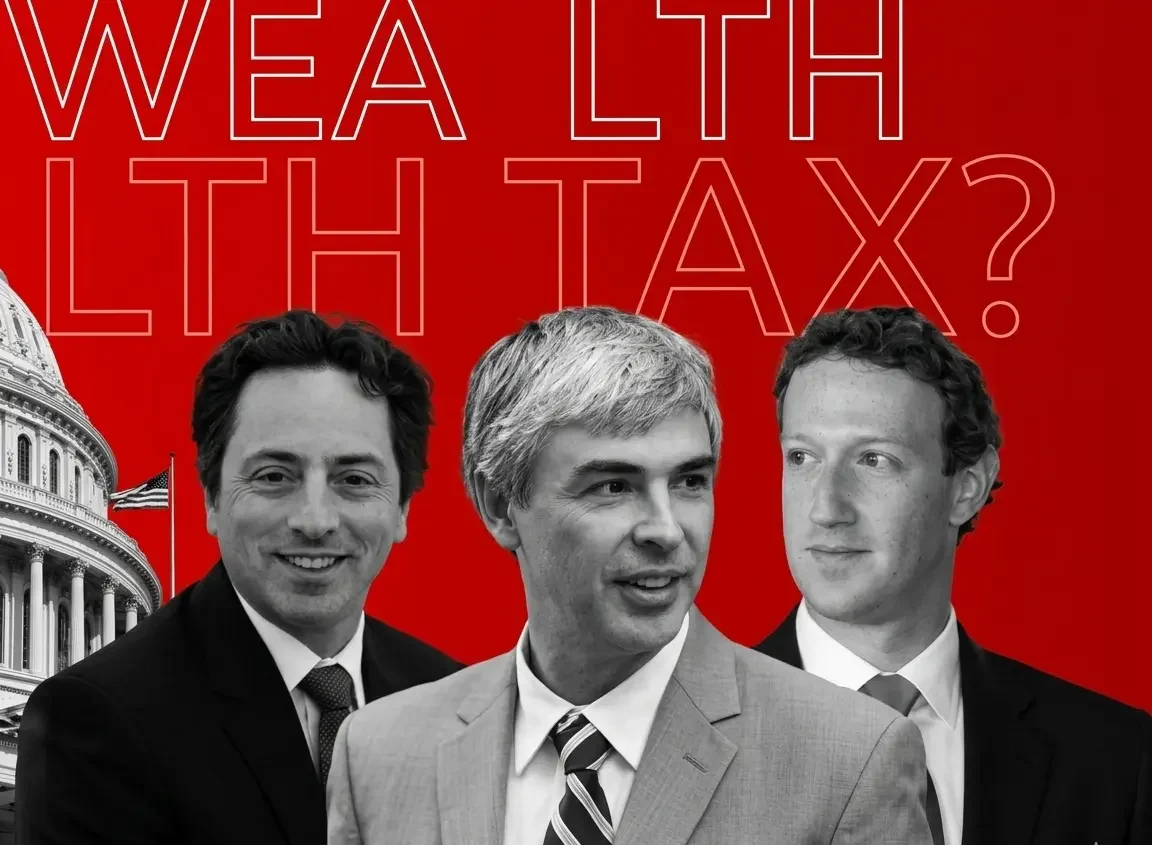
To understand the explosive nature of the current wealth tax debate, one must first look at the unique architecture of California’s existing tax system. The state operates on a highly progressive income tax model, boasting the highest top marginal income tax rate in the nation at 14.4% (including a payroll tax for high earners). Because California taxes capital gains as ordinary income, the state’s revenue is inextricably linked to the boom-and-bust cycles of the stock market and the liquidity events of Silicon Valley. Historically, the top 1% of earners contribute roughly half of the state’s total personal income tax revenue.
While this system generates massive surpluses during bull markets, it triggers severe budget deficits during economic downturns. Progressive lawmakers and labor advocates have long argued that this reliance on income rather than accumulated wealth allows the ultra-rich—who often borrow against their assets to finance their lifestyles rather than taking taxable salaries—to avoid paying their “fair share.”
Previous attempts to tax wealth in California have largely stalled in the state legislature. Assemblyman Alex Lee championed annual wealth tax bills for several consecutive legislative sessions, but these proposals consistently failed to clear the moderate wing of the Democratic supermajority. Frustrated by legislative gridlock, progressive labor groups—most notably the Service Employees International Union-United Healthcare Workers West (SEIU-UHWW)—bypassed Sacramento entirely, collecting 1.6 million signatures by April 2026 to bring the billionaire tax directly to the voters.