
Inside California’s Billionaire Tax Fight and the Wide-Open Governor’s Race
3. The “Tax the Billionaires” Debate

The rhetoric surrounding the 2026 billionaire tax is deeply polarized, reflecting the broader national divide over income inequality.
Arguments from Supporters
Proponents of the measure, bolstered by endorsements from national figures like Senator Bernie Sanders and former Labor Secretary Robert Reich, frame the tax as a moral and fiscal imperative. The statutory mechanism is straightforward: a one-time 5% tax on the worldwide net worth of California residents exceeding $1 billion, evaluated as of late 2026.
Supporters project the tax will generate a staggering $100 billion. The initiative legally ring-fences this revenue, directing 90% into the Billionaire Tax Health account to fund Medi-Cal and other state healthcare coverages, and the remaining 10% toward K-14 public education and food assistance programs. For advocates, the tax is an emergency measure necessary to backfill state budget deficits and counteract federal healthcare cuts, all while addressing the systemic wealth inequality that has accelerated in the post-pandemic era.
Arguments from Opponents
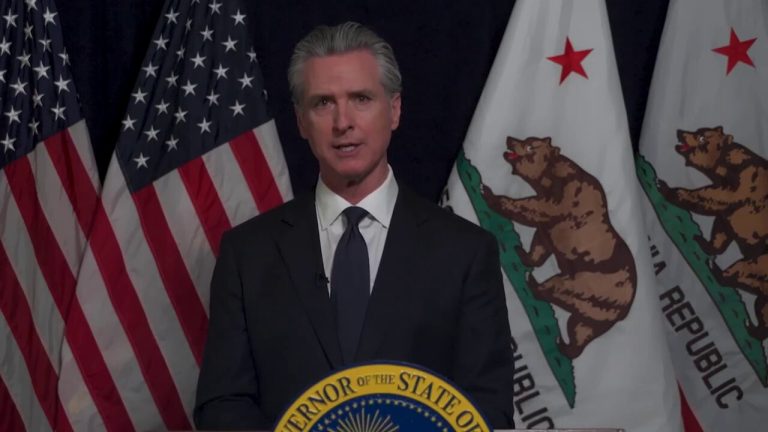
Conversely, opponents view the measure as a catastrophic economic misstep. Critics, including Governor Gavin Newsom, who has called the proposal “really damaging to the state,” argue that wealth is highly mobile. Unlike real estate, financial wealth can be relocated.
Economists like UC Berkeley’s Enrico Moretti have warned that the initiative has the potential to devastate California’s economy by triggering an exodus of capital. The tax explicitly excludes real estate and certain pensions, focusing heavily on equities, private business interests, and intellectual property. Opponents argue that forcing founders and investors to liquidate highly volatile assets to pay a massive state tax bill will crater company valuations and disincentivize future investment. In fact, reports indicate that at least half a dozen billionaires relocated from California prior to the initiative’s January 1, 2026 residency cutoff, representing billions in lost future income tax revenue.