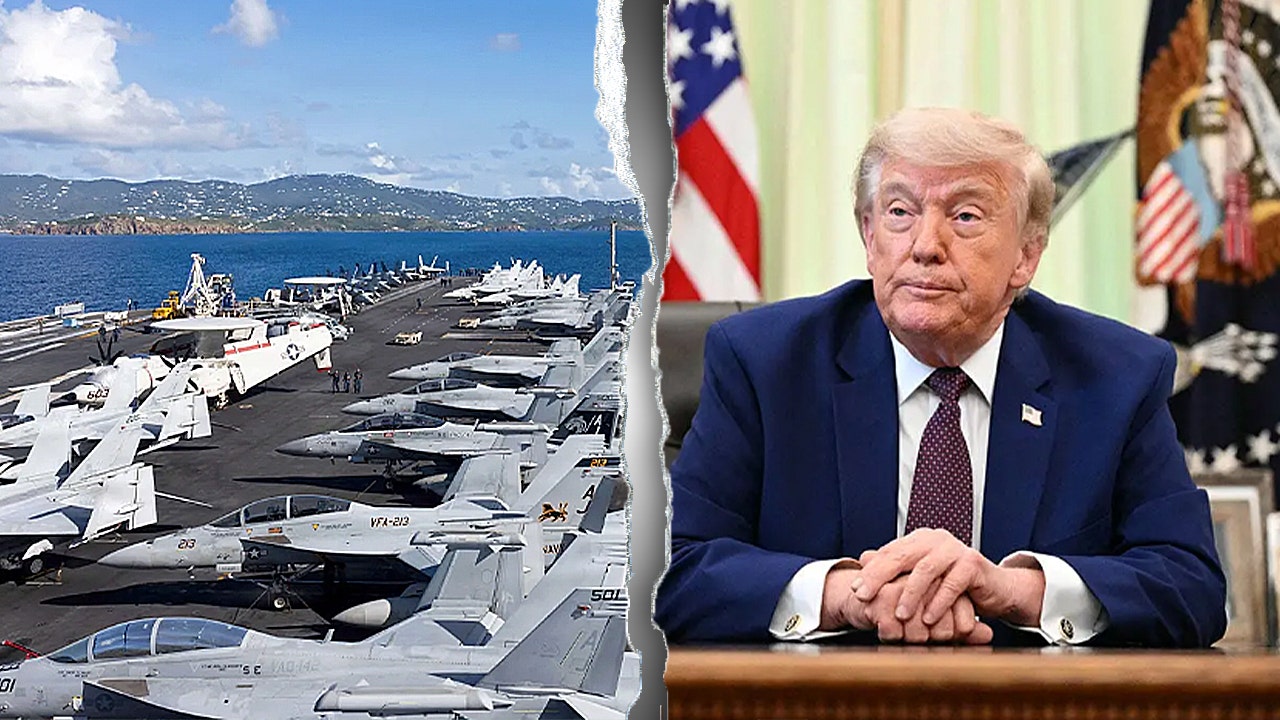
Iran Deal Signed? US Troops Stay Put Amidst Deep Distrust – Is This “Peace” or appeasement?
White House officials firmly stated that no frozen Iranian assets have been released, and any sanctions relief is conditional on Iranian compliance during negotiations. Conversely, Iranian sources have described the framework as leading to the release of around $24 billion in frozen funds. The U.S. administration refuted these claims, reiterating that future economic benefits will be earned, not granted upfront. While President Trump has hailed the agreement as a potential turning point, the memorandum focuses on extending a ceasefire, establishing a negotiation window, and crucially, reopening the Strait of Hormuz. The reopening of this vital waterway, through which a fifth of global oil and LNG shipments pass, is expected to be the agreement’s most immediate economic impact, potentially easing pressure on global energy markets as shipping traffic is anticipated to increase significantly after the lifting of the naval blockade and mine clearing operations.
The deal creates a framework for Iran to potentially receive sanctions relief and global economic integration in return for verifiable steps to halt its nuclear program and reduce support for terrorism and regional instability. “If they’re willing to behave like a normal country, then we’re willing to treat them like a normal country,” one official commented. The prospect of renewed traffic through the Strait has already influenced global markets, with oil prices declining as traders anticipate a return to normal operations at this critical energy chokepoint.